
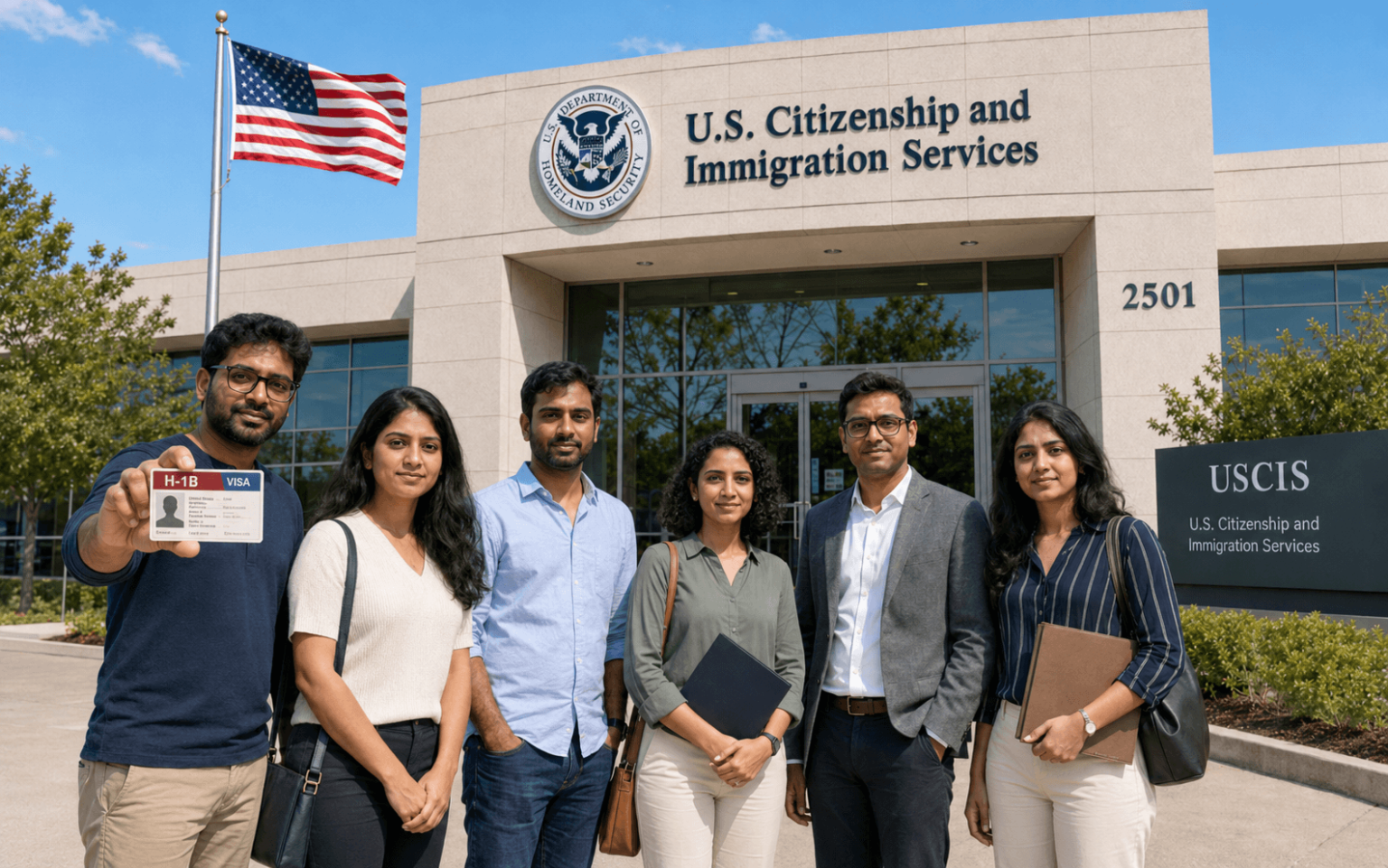
Thousands of Indian professionals working in the US could soon be affected by a proposed fee that would increase employers’ costs for renewing H-1B and L-1 visas. The US Department of Homeland Security (DHS) is considering extending an existing surcharge to visa extension petitions, meaning certain employers would have to pay $4,000 for H-1B and $4,500 for L-1 renewals if the proposal becomes law.
Again, H1B and L-1 visa holders are caught in a political whirlwind after a US federal appeals court upheld a lower court order that did not espouse the Trump administration’s move to impose a $100,000 fee on new H1B visas for highly skilled foreign professionals.
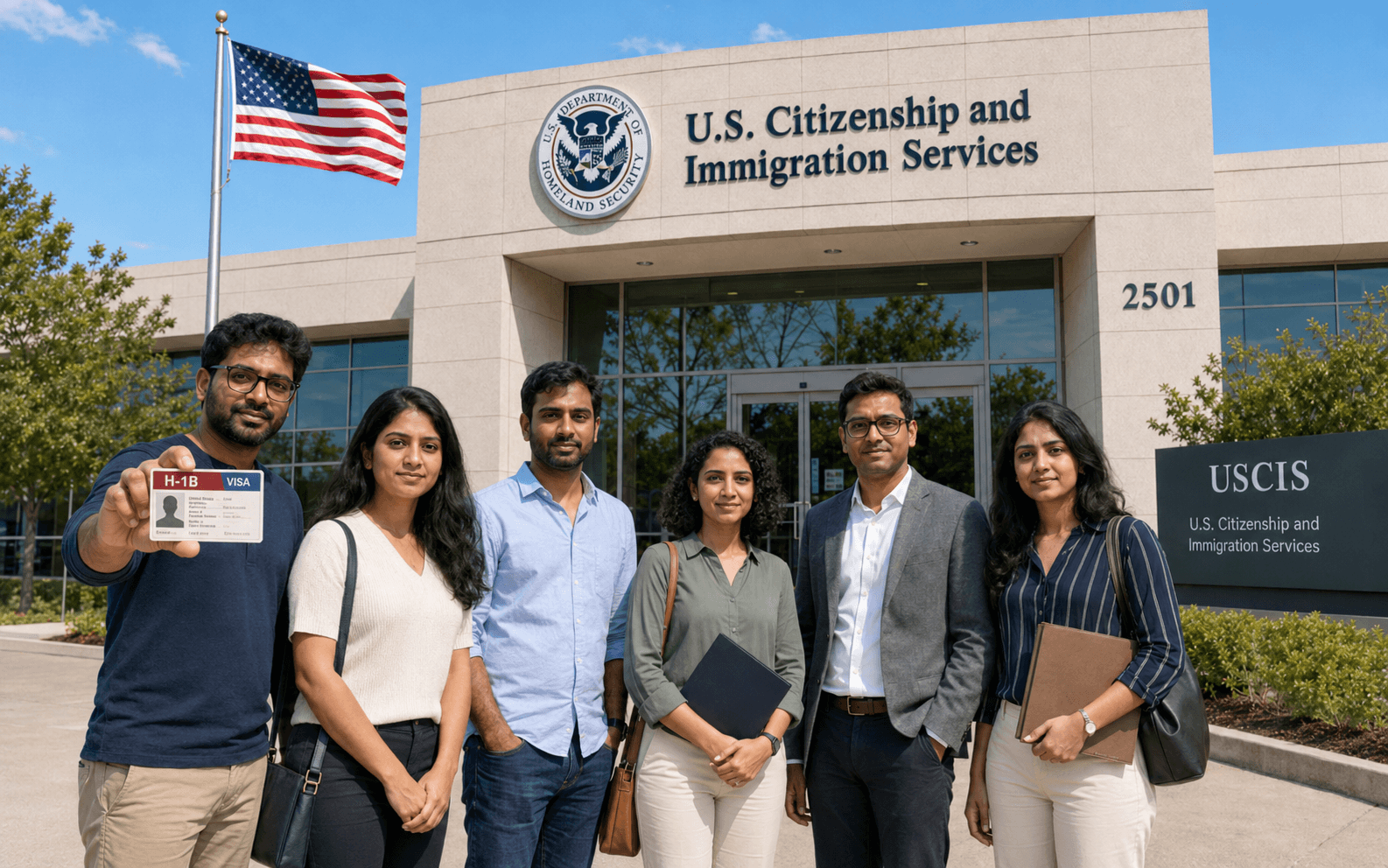
What new fee is proposed for US employers seeking L1 and H1B extensions
The latest proposal revolves around an existing government surcharge called the Public Law 114-113 Fee, officially known as the 9/11 Response and Biometric Entry Exit Fee. Introduced in 2015 under the Consolidated Appropriations Act, this fee applies only to certain large employers that heavily rely on foreign workers.
The fee will be paid by American employers who:
- have 50 or more employees in the United States.
- have more than 50% of its workforce on H-1B or L-1 visas.
These are typically large IT consulting and outsourcing firms that sponsor a significant number of foreign professionals. Currently, these employers pay the Public Law 114-113 Fee when they:
- file a new H-1B or L-1 petition.
- hire an H-1B or L-1 worker from another employer through a change of employer petition.
However, they are not required to pay this surcharge again when renewing the visa of an employee who continues working for the same company. That is what the DHS now wants to change. If the proposal is finalized, employers would have to pay the $4,000 H-1B or $4,500 L-1 Public Law 114-113 Fee every time they file an extension petition for an existing employee.
What happens when you renew H1B with the same employer?
H-1B workers usually receive approval for an initial period of up to three years, after which employers can file an extension petition for another three years.
Under the current system:
- The employer files the H-1B extension petition.
- Regular USCIS filing fees apply
- The Public Law 114-113 surcharge is not charged again
If the proposal becomes final:
- The employer will continue filing the extension petition.
- Regular USCIS fees will still apply.
- Some employers will also pay the $4,000 Public Law 114-113 surcharge.
$4,000: H1B renewal fee or additional new fee?
No. The $4,000 H-1B surcharge is not the total cost of renewing an H-1B visa. It is only one part of the overall immigration filing costs paid by employers. When American employers file H1B visa petition, they have to pay several government charges, including:
- USCIS Form I-129 filing fee.
- Fraud Prevention and Detection Fee.
- American Competitiveness and Workforce Improvement Act (ACWIA) fee, where applicable.
- Public Law 114-113 Fee, if the employer meets the eligibility requirements.
The same rule applies to L-1 visas, where the existing surcharge is $4,500 for eligible employers.
Is the new H-1B and L-1 fee rule already in effect?
No. The DHS proposal has not become a final rule yet. It must go through the federal rulemaking process before any changes take effect. Until then, employers will continue following the existing H-1B and L-1 visa filing rules.