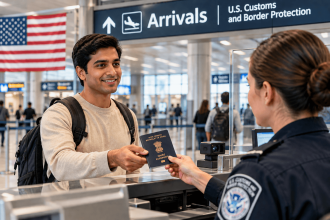

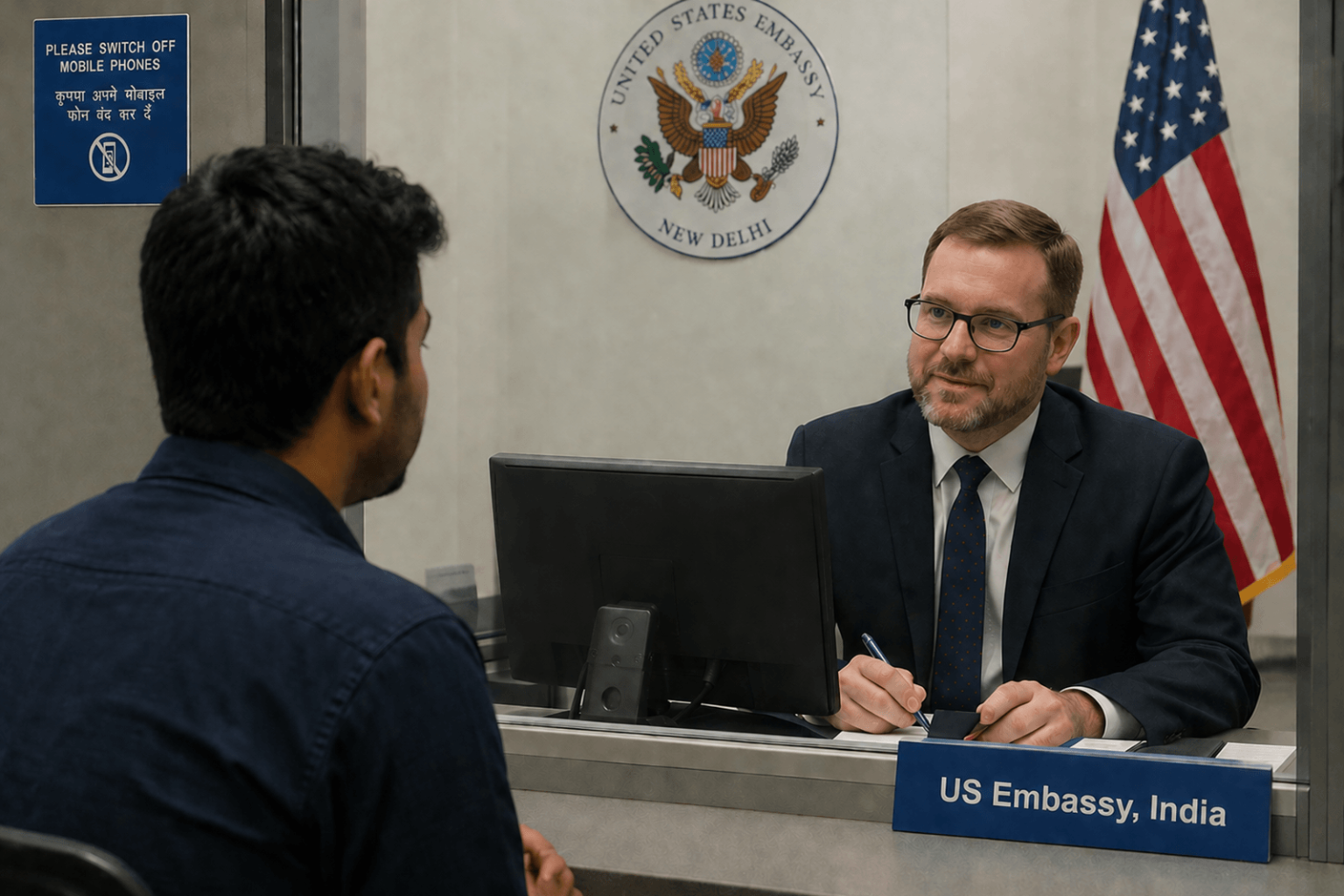
In one of the latest circulars to the US Missions in India and other countries, the State Department added two preliminary questions for US visa applicants. The consular officers are required to ask the two new questions before a formal interview starts. Non-immigrant visa applicants’ answer to the initial questions will determine visa approval or rejection even before the interview takes place.
New US visa interview questions for preliminary screening are:
- Have you experienced harm or mistreatment in your homeland or country of nationality?
- Do you fear harm in returning to your country of nationality or permanent residence?
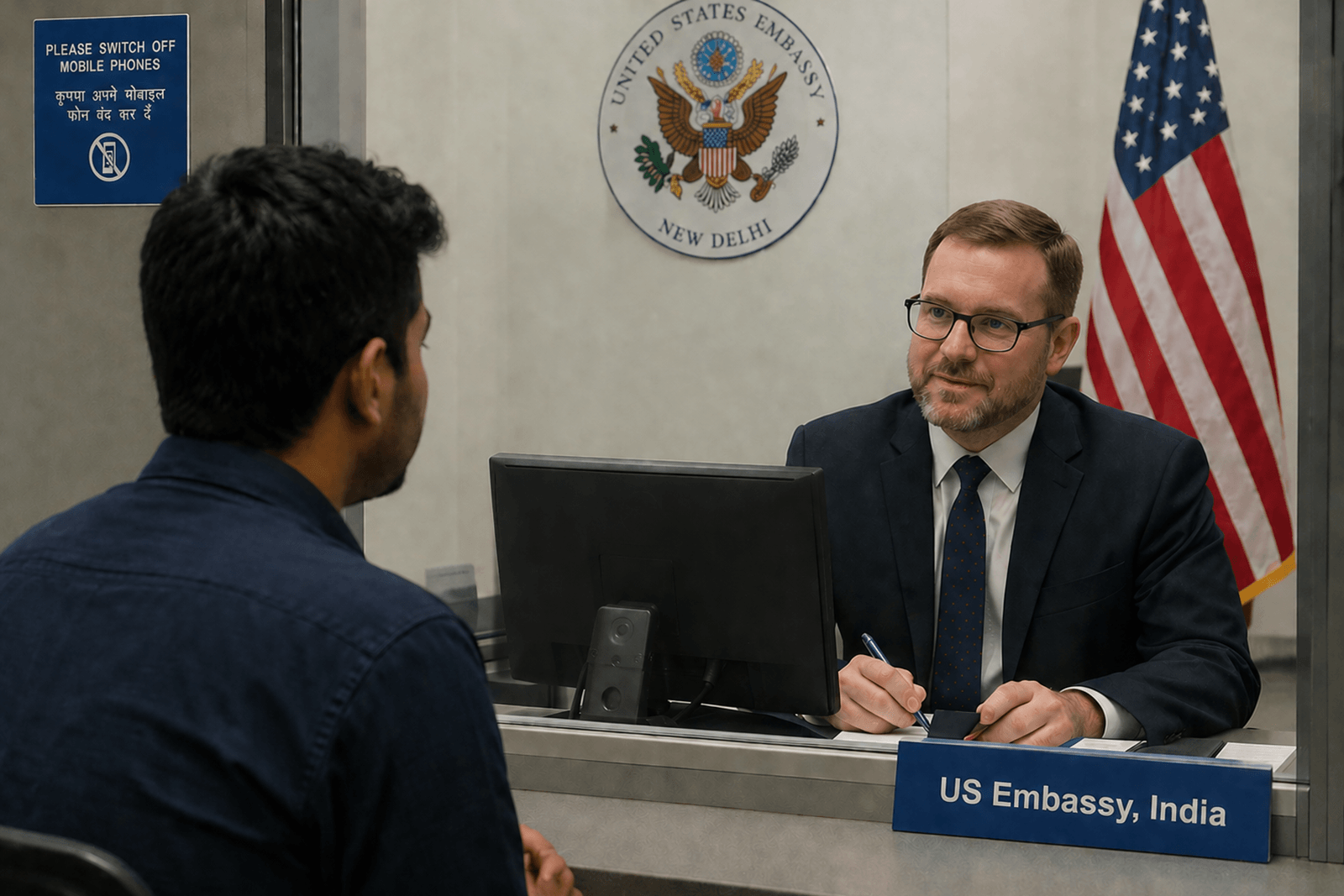
New US visa questions’ impact on non-immigrant applicants
Your answer to the above questions before or during the visa interview will either make or break your travel plans for the US. If you say ‘Yes’ or don’t respond to either question, you risk outright denial of the visa stamp on your passport. If your answer is a deliberate ‘No’ to both the questions and you seek asylum after traveling to the US, you risk penalization and/or potential deportation for being dishonest to the consular officer and falsifying your real intent to seek a temporary US visa – which is labelled as visa fraud. If the insights derived from social media vetting counter your answer, whether it is Yes or No, the chances of being denied travel to the US are higher.
What if US consular officers reframe the questions
“If the newly added questions are reframed, it would be more difficult for the applicants to answer plainly. For instance, the first question could be reframed as “How are you treated in your own country?” It is obvious that some applicants may scramble to answer precisely and smartly. If the answer sounds somewhat unorganized or awkward, it is likely to be misinterpreted and lead to visa rejection,” said a leading immigration attorney.
Misrepresentation of one’s visa intent is a major concern
The two new questions for non-immigrant US visa applicants aim to check their (possible) misrepresentation of visa intent and travel purpose. According to the directive, the preliminary screening is designed to bar individuals from entering the US, who mislead consular officers about their real intent during visa interviews.
The US State Department’s directive to consular officers read, “The high number of aliens claiming asylum in the United States indicates that many aliens misrepresent this intention to consular officers in the visa application process and at US ports of entry. The information collected from visa applicants under current guidance is inadequate to identify those applicants who fear harm or mistreatment in returning to their home country.”
What US visa categories are to be impacted
The new directive applies to applicants for non-immigrant visa categories, including B1/B2 tourist visa, student visa, H1B visa, H2 visa (for temporary farm workers) and others. They must answer the questions regarding whether they fear coming back to their country of birth or permanent residence. US tourist visa seekers and H2 visa applicants are more subject to the newly introduced compulsory questioning.
Under the 1951 Refugee Convention that upholds the rights of individuals to seek asylum outside their own countries, the US law provides protections to asylum seekers regardless of how they end up being in America and what told immigration officials during entry.