
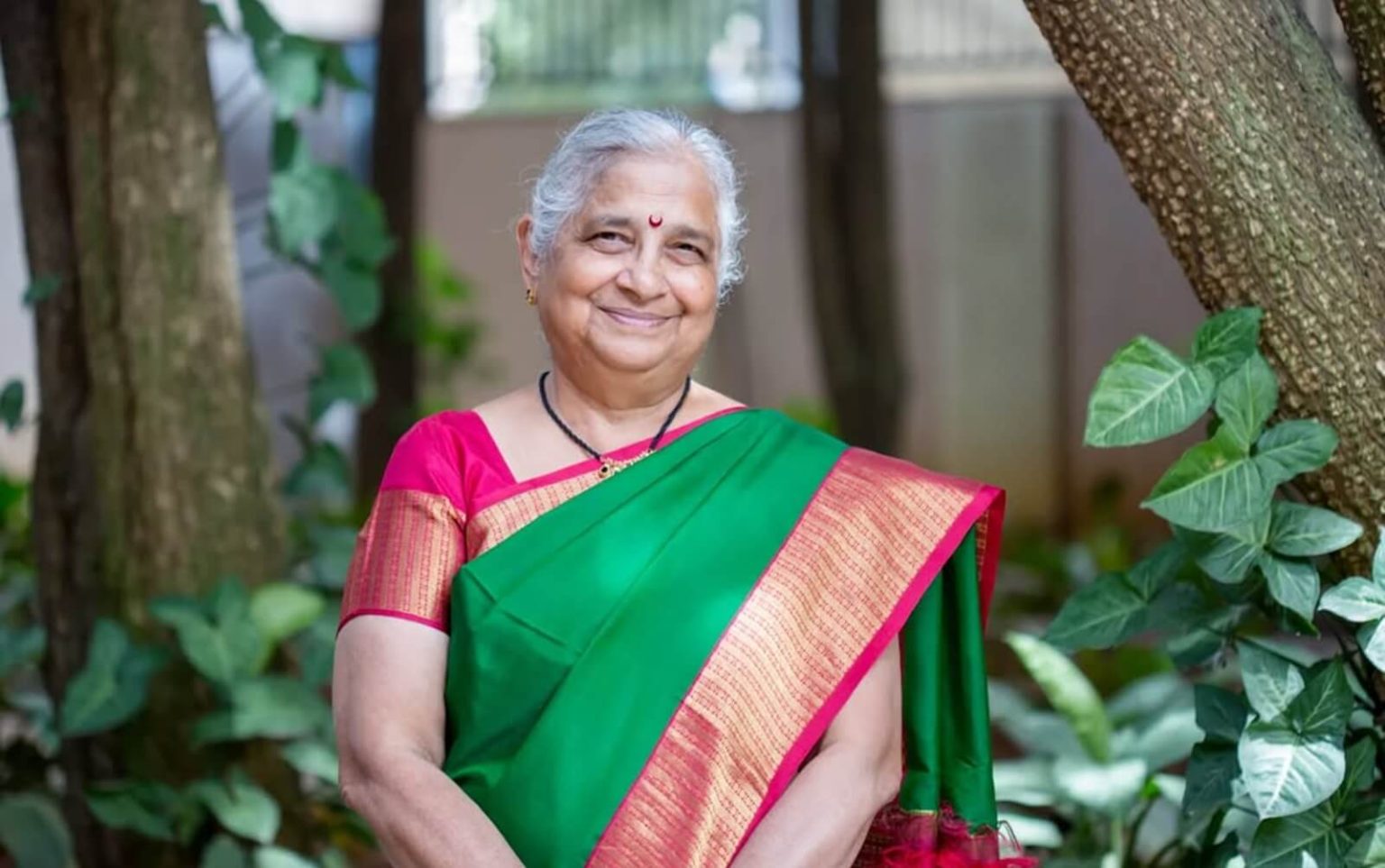
During a recent discussion on the Union Budget 2026 in the Rajya Sabha (the upper house of Indian Parliament), author and MP Sudha Murty recalled how she was treated on her first visit to the United States in 1970s and how India was looked upon back then. She shared an interesting anecdote from her travel memoirs to illustrate India’s global image that has undergone a sea change over the past two decades.
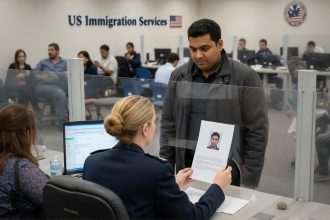
She set the clock back to 1979 when she visited the US and travelled by air for the first time. At Boston International Airport, the entry point in her itinerary, Sudha Murty stood in the immigration clearance queue. When her turn came, an immigration officer shot a spate of questions to her – why she came to the US, how long she would stay there, when she would go back, whether she had return flight tickets, where her husband lived in the US, what his salary was, how many dollars she had, and likes.
As a first-time young traveler to the US, Sudha Murty dealt with the entry inspection with some difficulty. She said she would stay 6 months there with her husband, Narayana Murthy. But the officer let her in for only 3 months without any explanation to her. This sort of questioning, maybe a little more than that, is rampant at major US airports these days, due to tightened CBP measures for both immigrants and non-immigrants, in the Trump administration.
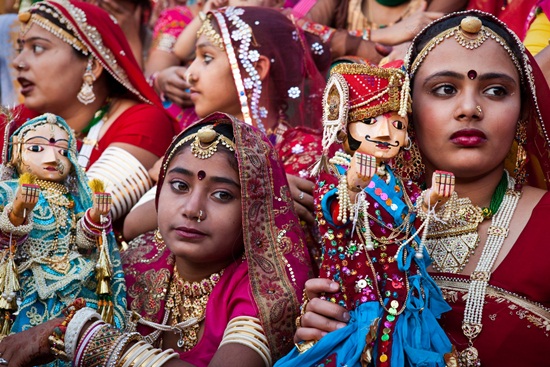
When she proceeded for customs clearance, the customs officer keenly watched her from top to bottom and said, “What are you wearing so wavy and lengthy?” She replied, “A saree, a traditional attire for women.” Then he could not help but ask which country she came from. “India,” she said with an iota of pride.
What followed thereafter was an absolute surprise to Sudha Murty then. On hearing ‘India’, the customs officer went on to say, “Do you have snakes on the road?” “Is your father a Maharaja?” “Are there many magicians?” She countered his hilarious questions saying unassumingly that there were snakes in the fields, and that her father was a doctor, not a royal. He was wondering how she could speak so good English.
The officer further asked why she came to a developed country and checked her bags thoroughly. “He looked down upon me heavily as if I was an alien from a different planet. I felt sad and humiliated. India has given yoga, the concept of zero, so many things to the world. He treated me like one from some place with no history, no culture, no money…” she said in the Rajya Sabha.
A river of time has flown since then. The way the world thinks of India today is in stark contrast to what she experienced in the 1970s. After many years, she visited Canada and the US recently. She travelled to the US from Quebec City (Central Canada). Much to her pleasure, she had a different experience altogether this time, during the immigration and customs clearance in the US.
CBP officer: “Why have you come to the US?”
Sudha Murty: “I have a few lectures to deliver in America.”
CBP officer: “What are you?”
Sudha Murty: “I am an author and philanthropist.”
CBP officer: How long will you stay?
Sudha Murty: Only a week.
CBP officer: Welcome to America! Ours is a great country.
Incidentally, the officer felt curious to know which place in India she is from. “I am from South India. Precisely Bengaluru in Karnataka,” she said. “I see. Bengaluru, the famous Silicon Valley of India. I know some Indians who are IT professionals and work here. You Indians are very enterprising, hardworking, law-abiding, and large-hearted people. You invite everyone to celebrations and festivals. Indians are running unicorns here. You help each other a lot. Your food is excellent. Many Indian restaurants are in our country,” Sudha Murty happily recollected the officer’s words of admiration for India.